
GET PAID FOR YOUR TRADES | and make your trading more profitable
Basic Education
13 easy to read topics that cover all the aspects of the Forex market. After completing this section you should have a very basic understanding of what Forex is and how trading works.
This section is designed to be easy to understand so even if you never heard of the Foreign Exchange, you will have the basics set for the rest of your education.
Chapter 1
Chapter 2
Chapter 3
Chapter 4
Chapter 5
Chapter 6
Chapter 7
Chapter 8
Chapter 9
Chapter 10
Chapter 11
Chapter 12 pt. 1
Chapter 12 pt. 2
Chapter 12 pt. 3
Chapter 12 pt. 4
Chapter 12 pt. 5
Chapter 12 pt. 6
Chapter 12 pt. 7
Chapter 12 pt. 8
Chapter 12 pt. 9
Chapter 12 pt. 10
Chapter 13
Chapter 1
Introduction
Do you want to be able to predict currency rate movements? If yes, you have come to the best place.
This school will teach you the essential economic principles behind currency movements. Traditionally, learning how to trade in the currency markets takes years of studying piles of boring and bland theory books. We wanted to offer something that will get you results much faster and will be easier to understand.
Part of our goal in developing this part of the website was to make it the resource that would boost your skills in the fastest and most engaging way possible without sacrificing effectiveness.
Students who take a moment to pause and think about their learning (called metacognition) tend to learn more and show better results.
If you will be practising on a demo account it will help you to activate this metacognition effect. In the result, unlike other materials, you will not only master useful theoretical fundamentals, but also have the opportunity to think about what you have learned, apply your knowledge and learn while you are practicing on a demo account.
We hope you will enjoy our education section in which you will have the chance to learn and if you will be practising on a demo account also test and improve your skills by predicting currency movements through analyzing real historical events.
We will try our best to teach you how the currency rate movements form, but more importantly, teach you WHY they form. Once you understand the underlying principles, you can start to move beyond the examples, and apply this knowledge to every currency or stock trading situation.
Before we start read a short story about a businessman who lost a lot of money because he didn’t know one important rule of the forex market.
Chapter 2
Introduction – Story
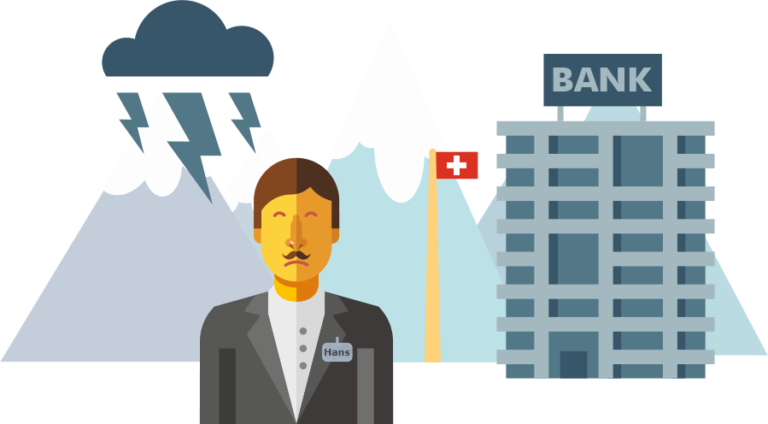
At a birthday party, I met a guy who told me about his crazy experience with Swiss francs. I guess he must have drunk a few glasses of wine or he wouldn’t have told me this failure story; it was not a proud experience for a guy of his caliber. I want to share his short story with you because it perfectly illustrates what every businessman needs to know about currency rates.
The guy’s name is Hans and he’s a successful real estate developer from Germany. He lost a lot of money because he didn’t know one important rule about currency rates.
It all started when he took a loan worth 1.5 million euro in Swiss francs from a Swiss bank because he was sure that Swiss banks are the best and trustworthiest in the world. You can’t blame him for that.
Unfortunately, shortly after receiving the credit, the Swiss franc’s value jumped by 30% in a single day (January 15, 2015) shocking the whole world.
Because his income was in euro, Hans’s debt to the Swiss bank increased from 1.5 million to 1.95 million euro that single day.
Pretty painful, right? And it was not just him; there were hundreds of businesses that got hit big time by that single event.
Could Hans have foreseen such a scenario and avoided the losses, or was it just an evil move from the banks?
After reading our School materials, and practicing on a demo account you will be smart enough not only to predict and avoid such losses, but also make money from such situations.
You will also learn that one rule about currency rates that Hans and other companies didn’t know.
You see, understanding the currency markets is crucial to every businessman, not just to forex traders.
So let’s start and enjoy school!
Chapter 3

How to become a forex trader
Awesome, so you have decided to become a forex trader! There is one thing you must ask yourself before you continue…
Are you really ready to invest time and attention to master the currency market?
Forex trading is not a get-rich-quick scheme! If you are looking to get rich quickly, you’re better off buying lottery tickets. But unlike lottery, currency trading is a skill that you can develop and become better and better with each day. Eventually, you will reach a level where getting rich is possible. It just requires determination and work.
Even if you are still uncertain about your answer, this interactive application will allow you to test your potential with forex gradually and without any risk.
If you are new to forex, you should go through all of the lessons. If you already have some experience, feel free to browse through the lessons according to your needs.
What do I need to start trading?

One of the awesome things about forex trading is that pretty much anyone has all the tools needed to trade:
- Computer or smartphone or tablet
(preferably at least 2 devices) - Stable internet connection
You don’t need multiple monitors or expensive software. The required primary software is available for free
You can even trade using just a smartphone. Many forex brokers have fully capable trading applications for both iPhone and Android phones and tablets.
How much money do I need to start?
You can easily “test the waters” without any investment. First of all, you can play our game to understand the basic mechanics of currency moves. If you can get stable results from the game, you can open a demo account at your chosen broker to get accustomed to the feel of a forex platform and its tools.
When you have tested your skills in a demo account, you can open a trading account with as little as $25 even tough it is not recommended to start with a such a low amount.
In order to achieve notable gains, you will want to deposit more. Most successful traders start real-money trading by depositing anywhere from $300 to $2,000.
When traders start making regular profits and have accumulated $10,000 – $25,000, they start looking at “big boy” accounts that offer lower spreads, direct interbank level executions and other premium features.
As you can see, you can start gradually and invest more only if you feel comfortable about it.
Chapter 4

reasons why people love forex
1. Trade from anywhere in the world Forex is open for trading 24 hours a day, 5 days a week. Basically, you can live on an island in Indonesia or the Caribbean and trade in a time that suits your lifestyle. With forex, you are your own boss!
2. Withdraw profits whenever you want With a daily turnover of $5 trillion, forex is the most liquid financial market. Liquidity means that you can sell or buy large quantities of currencies in a matter of seconds. In comparison, stock markets can run out of liquidity easily, as it could be hard to find a buyer for stocks of a company that is having financial problems. Countries also go bankrupt, although it happens significantly less often. Unlike enterprises that can hide their true financial situation, economies of countries are very transparent and information is publicly available long before such problems occur.
3. There is no crisis in forex
Whenever a global economic crisis hits, all other markets go down. Real estate transactions stop, stock trading freezes, everyday businesses suffer and shut down. Forex trading can continue as if nothing had happened. This is due to the double-sided nature of currency trading: currencies are always quoted in pairs. When one currency goes down, there will always be a currency that does better than the losing one. So you can pretty much always find possibilities for profit, regardless of the condition of the underlying market.
4. Low entry and transaction costs
Just 15 years ago, the minimum deposit for retail trading ranged from $50,000 to $100,000. The large number of market participants and tough competition among brokers led to low entry and transaction costs compared to other financial markets. Initial deposit amounts have decreased so much over the past decade or so that you can now open a forex account and start trading with as little as $25. With more and more forex brokers competing for customers, spreads have decreased and commissions have fallen drastically over the past few years. Thus, forex has become one of the most cost-effective trading possibilities available to retail traders.
5. High leverage
In forex, the typical options of leverage are 50:1, 100:1 or 200:1. With a leverage of 1:100, a trader who deposits $100 can trade with $10,000 ($100 x 100). Leverage allows for multiplying the potential gains of trading. It also works the opposite way, but traders can protect themselves from losses using stop-loss limits.
Chapter 5
What is forex?
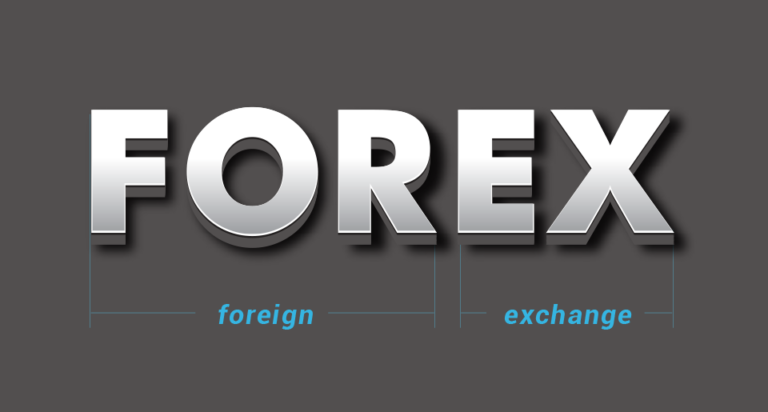
Forex is the short form of “Foreign Exchange”. It is also known as currency exchange, or simply “FX”. Forex is the platform where currencies are traded. It is the largest financial market in the world with a daily turnover of $5 trillion!
It is huge even when compared to the biggest stock exchange markets. Check the chart below.
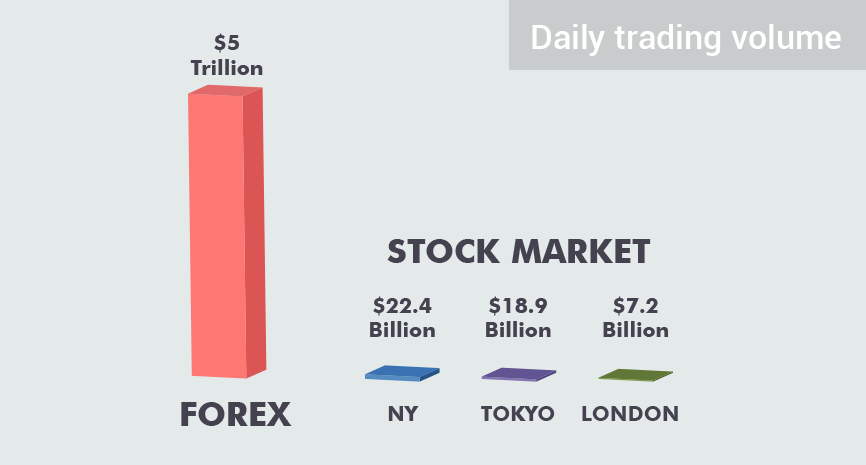
Of course, the retail forex trading (what you want to do) doesn’t make up the majority of the volume. The daily trade volume of retail traders is around $1.5 trillion.
The biggest players in the forex market
You must know who the big players are in the FX market because they can change the currency rates in a blink of an eye. Traders who understand the main objectives of these players can make reasonable predictions about future currency moves.
Do you know Mario Draghi, Janet Yellen, and Angela Merkel? They are a few of the officials who can create chaos in currency rates with just a few words in their speeches.
Forex traders indeed plan their trades by analyzing the most recent economic news and geopolitical developments, as well as the latest announcements from G-7 key officials.
G-7 (Group of Seven) is a forum of the world’s 7 most developed economies: the U.S., Germany, the U.K., France, Japan, Canada, and Italy.
The main people to follow and listen to in these countries are:
 Head of the central bank
- Prime minister
- President of the country
The most traded currency pair is EUR/USD so the most influential persons in forex are:
- Chair of the US Federal Reserve Bank (Janet Yellen)
- Head of the European Central Bank (Mario Draghi)
- President of Germany (Angela Merkel)
- President of the U.S. (Donald Trump)
1. Governments and central banks
The biggest players of the forex market are governments and central banks that buy and sell currencies to balance the economic growth and price stability of their nations. The amount of money used by central banks is enormous so their actions have a deep impact on the currency markets. That’s why every forex trader waits with bated breath whenever the chairman of the U.S. or European central bank is speaking publicly; one sentence in their speech can create big fluctuations in the market.
Commercial and investment bank Big banks trade billions of dollars daily. They make transactions with each other, with their customers or they themselves speculate on the forex market. The 5 biggest banks are:
- 1. Wells Fargo & Co.
- 2. Industrial & Commercial Bank of China
- 3. JP Morgan Chase & Co.
- 4. China Construction Bank
- 5. Bank of America
2. Large corporations
Large corporations control large amounts of money so when they move their assets in bulk, it can influence the currency rates. For example, when the biggest insurance companies in Japan started to move their assets out of the country because of the decreasing value of yen and decreasing interest rates, the yen fell even more.
3. Individual traders
The most popular forex trader is George Soros who is famous for breaking the Bank of England and earning $1 billion in a day. He also earned $790 million by speculating on the fall of the Thai baht. Traders like George Soros usually operate hedge funds with large resources. They can create a strong impact on a nation’s economy and currency rate.
Chapter 6
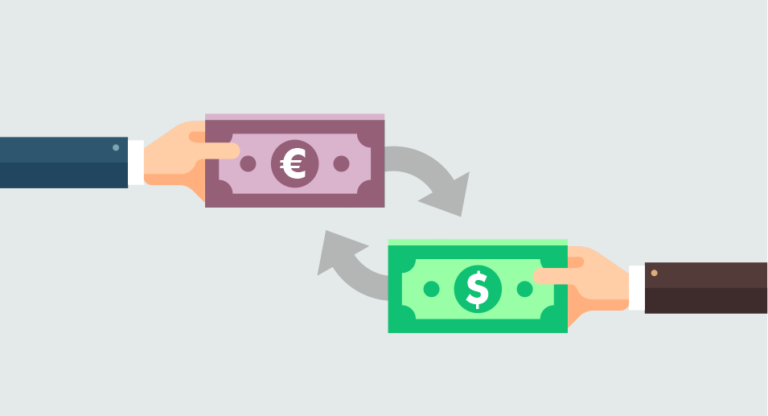
How forex trading works
Going long or short
The main idea in forex is to buy a currency at a low price and to sell it at a higher price. If you think the price of a currency rate will go up, you click buy (this is called going long), but if you think the rate will go down, you click sell (called going short).
The process of going long is very simple; going short, in reality, is a bit more complex. Fortunately, the complexity is taken care of by automated trading systems. The shorting process happens like this:
1. The broker lends you the currency that you want to sell. 2. When the price falls, you pay the broker back a lower price, thus making a profit on the difference.
All you need to do is push a button and shorting happens automatically.
What is being traded-in forex?
It is important and also fun to understand that you are not simply trading money in forex.
You are trading economies of entire countries!
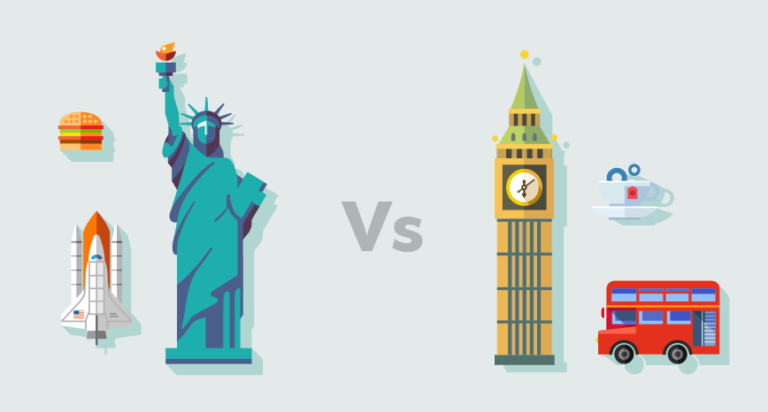
If you are buying British pounds, you are in essence buying shares of the British economy. For example, if you pay with U.S. dollars to buy the pounds, you do it because you believe that U.K.’s economy will outperform the U.S. economy.
The price of a currency, in reality, is a reflection of what the market thinks about the current and future condition of its economy compared to other economies.
Chapter 7
when to trade forex
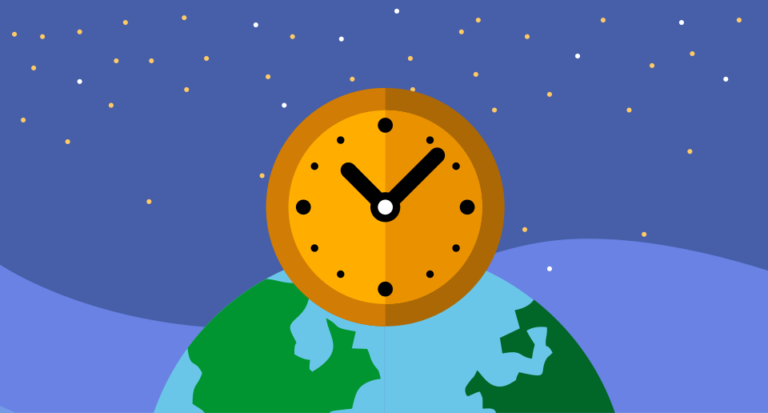
Forex trades are carried out from different time zones all over the world so the market is open 24 hours a day giving traders the freedom to choose when to work. But is it truly active and profitable all the 24 hours? No! Quite often, beginners are misled by the fact that currency trading happens at all hours so they start trading in times when nothing happens as it should.
There are specific times when the activity and liquidity peaks… and these special times are when the most active sessions overlap.
During the overlapping of sessions, the flow of transactions and money is the highest, thus fueling the currency fluctuations and forming notable trends.
Knowing the best time for trading is critical for success. In this section, you will learn when the best market hours of the day are for trading, which day of the week is the most productive and which trading sessions are considered to have the most potential.
3 Golden nuggets of forex timing

Busiest session
The busiest session of all is the London (Europe) session. 30% of all trades happen during this session.
Session Overlapping
The best hours for trading are during the overlapping of the major sessions. The most important one: London/New York.
The most active days
The most active time of the week is from Tuesday to Thursday
Best times of day for trading
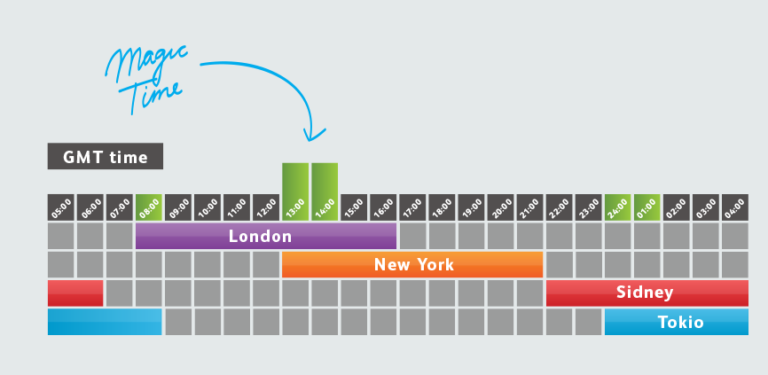
The most active trading sessions are in London and New York, so the highest market liquidity is when these sessions overlap, as both continents are online and actively trading with each other.
Experienced traders consider 14:00 GMT to be the best time as London is preparing to close and traders are getting ready to move to New York’s market.
This creates big fluctuations in the currency prices, opening more notable opportunities for making gains.
Keep in mind that during the last minutes of London’s session, the currency swings can become quite chaotic and thus, harder to predict.The opening of London’s session is also very active and lucrative as it overlaps with the end of Tokyo’s session.
The third major overlap happens between the Sydney and Tokyo sessions. Still, this time is less liquid than the London/NY sessions as it is late evening or night in the rest of the world.
Best days of the week for trading
Now you know when you should be watching or reading the daily news from around the world and when to analyze the charts, what about the best days of the week? Are all days equally good for trading? While there can be breaking news that disrupt the average weekly flow, there is a pattern that works most of the time when there are no force majeure events.
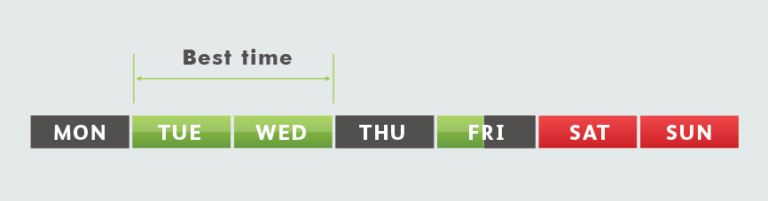
As shown in the picture above, businesses are coming back from the weekend so the week starts out at a slow pace; but it doesn’t mean you can’t trade on Mondays.
The most active days are in the middle of the week, usually on Tuesdays and Thursdays.
Fridays are usually active only during the first half of the day; the last hours that day can sometimes be chaotic so it’s best to avoid trading then.
Just remember that you don’t have to trade all of the sessions. It is neither sustainable nor productive in the long run. Instead, you should choose.
Chapter 8

when not to trade forex
Save your money and keep your nerves by not trading at the wrong time. While it is crucial to understand when is the best time to analyze the charts and make the bids, it is equally important to know when NOT to open positions.
There are two main characteristics of bad timing:
1.Low activity in the market
2.Chaotic direction of trades
An inactive (often called “thin”) market offers smaller movements of rates, thus smaller potential profits. A thin market also comes with higher commissions (spreads) for each trade due to the decreased liquidity. In simple words: if you want to sell a currency, it is harder to find potential buyers, so the commission goes up.
A good example of chaotic trading is shortly before, during, and shortly after important news events. In these times of uncertainty, the currency rates can swing wildly and unpredictably, thus messing up trading by creating execution lags, triggering stop-loss orders, etc.
So here are some examples of when you should at least be careful when trading:
Friday afternoon & weekends
The activity usually slows down in the second half of Friday mainly because the big banks and hedge funds are closing their positions for the weekend. This is mostly done for security reasons; they don’t want to have their large positions left open without sufficient supervision.
The biggest risk of leaving positions open for the weekend is called “the weekend gap”. When bigger rate swings occur while the systems are not recording them, the stop-loss orders might not be executed correctly and can create problems. That’s why most traders don’t leave open positions over the weekend.
Trading session closing time
When the trading sessions are closing, the rates and liquidity can swing wildly resulting in slips, high spreads, and overall losses.
Important news events
Traders should avoid trading when major economic numbers are released (central bank announcements, monthly employment reports, etc.) as these events can move markets in unpredictable directions and create risks if the news differs from the previous direction/sentiment of the overall trend. That’s why we are checking Economic calendars regularly to avoid such situations.
Bank holidays
Trading usually slows down during the major holidays. So before trading, it is wise to mark on your calendar the major holidays of the countries whose currencies you plan to trade.
End of December
Before and during Christmas, many institutional and bank employees take holidays so the volume of commercial transactions can fall during this time.
Primetime TV events
World championships in football, NBA, NHL, Superbowl finals, The X-Factor, etc. can create the same effect as the holidays. We won’t find these events in the economic calendars, so a TV program guide can also be a useful tool for a trader.
Asian sessions
Traders, especially beginners, should be careful trading during the Asian sessions as their market activity is usually low relative to the major sessions. This results in higher spreads and smaller average gains.
When angry or frustrated
A golden rule of trading is to stop trading when angry or overly excited. Trading during elevated emotional states usually ends badly because it affects people’s mental sharpness. You must be calm and collected when trading.
Overnights
Many forex brokers charge fees for leaving the positions overnight. Check your broker’s policy on overnights before trading!
Chapter 9
currency pairs
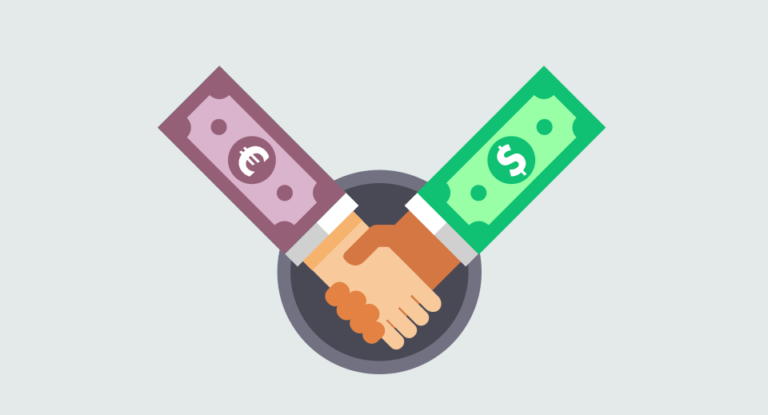
Trading forex means simultaneously buying one currency and selling another. Currencies are traded through a forex broker or a bank and they are quoted and traded in pairs.
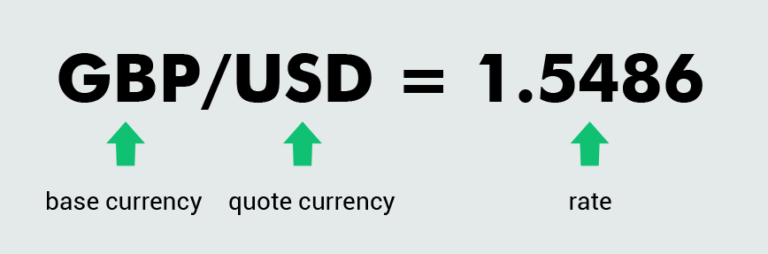
The most popular pairs are those that include the U.S. dollar. These pairs are called Majors because they are traded most often.
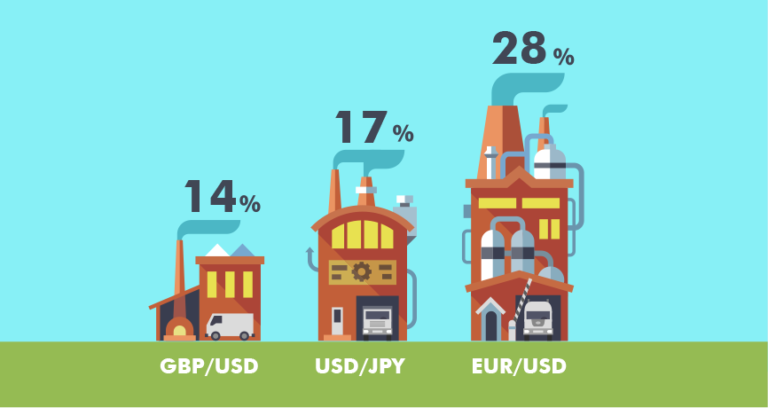
Currency symbols always have 3 letters, where the first two letters identify the country and the third letter stands for that country’s currency. Take AUD for instance: AU stands for Australia and D stands for dollar.
Which are the best pairs to trade?
Overall, there are more than a hundred different currency pairs so one of the first decisions you have to make is which pair to choose. A general rule of thumb is to stick to trading majors, but there are many traders who are successfully trading other types of pairs.
There are 3 types of currency pairs:
1.Majors
2.Crosses
3.Exotics
Majors
Majors are the most traded pairs of world’s top economies: U.S., Europe, Great Britain, Japan, Switzerland and Canada. There are 8 of them:
• EUR/USD
• GBP/USD
• USD/JPY
• USD/CHF
• USD/CAD
• AUD/USD
• NZD/USD
Majors are the most convenient pairs to trade not only for beginners but also for experienced traders. They have the highest liquidity, lowest spreads, and the widest range of rate movements. Majors are also more stable and predictable because the developed countries are less prone to sudden crazy political or economic changes.
Crosses
Cross-currency pairs are those that do NOT have the U.S. dollar in them. They are called crosses because, in the old times, most currencies were fixed to the U.S. dollar. In order to exchange currency, it first had to be exchanged to U.S. dollars.
Crosses are a good addition to the portfolio when you feel confident with a major pair and want to diversify your trading. The spreads of the crosses are not as low as the majors but in average, they are still not as high as those of the exotics, which can reach 15-20 and sometimes, even hundreds of pips.
Examples of crosses:
• GBP/JPY
• EUR/GBP
• CAD/JPY
• AUD/CAD
• EUR/AUD
• NZD/JPY
Exotics
Exotics are currency pairs that contain a currency of a developing country from Asia, Africa, the Middle East, the Pacific, or South America. Exotic pairs are traded less often so their liquidity is very low and the spreads can be super high. Exotics are mostly traded by high-level traders who have inside information about a country’s economy. One example again is George Soros who managed to make $790 million by trading against the Thai baht as he had foreseen the weakness of the Asian banking system and its officials.
Some examples of exotic currencies:
• Hong Kong dollar – HKD
• South African rand – ZAR
• Thai baht – THB
• Singapore dollar – SGD
• South Korean won – KRW
• Mexican peso – MXN
• Russian Federation ruble – RUB
• Indian rupee – INR
Scandinavian currencies like the Swedish krona, Norwegian kroner, and Danish kroner are sometimes also considered as exotic currencies, but most traders would categorize them as minor currencies. They are observed to have greater liquidity in their respective markets because they represent already established strong economies.
In the end, no matter which pair you choose, the more you trade it, the more you will get familiar with it.
How to read currency rates
Reading currency rates might seem easy until someone asks you to read them out and explain what exactly the rate number represents.
A nice trick is to think of the base currency as number one.
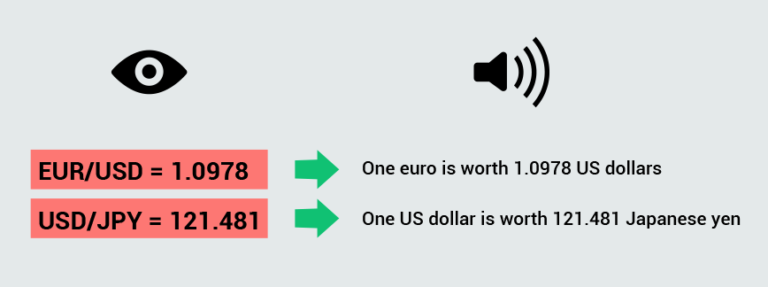
For example, if the rate for the British pound versus the U.S. dollar is 1.6567, you read it like this: 1 pound is equal to 1.6567 U.S. dollars. This means that the pound is more valuable than the dollar. If USD/CHF = 0.9480, it means that 1 U.S. dollar is equal to 0.9480 Swiss francs, which means the dollar is more valuable.
Chapter 10

5 Key Principles & Terms
1. Bulls and Bears
What is the first symbol of the financial markets that pops into your mind when you think about Wall Street? Most probably it is the bronze sculpture of the Charging Bull.
This iconic bull is the symbol of aggressive financial optimism and prosperity. It has the opposite character – a bear — and together, they represent the dual nature of the financial markets. The terms “bullish market” and “bearish market” are often used when describing the underlying trends of the market.
Bull market
Bullish or “bull market” is when the market is showing confidence: currency or stock prices are going up. A bullish trader believes the market will rise. This term is used because when bulls fight, they throw their opponents up in the air with their horns.
Bear market
Bearish or “bear market” is when a currency or a stock rate goes down. Bearish traders are the ones who believe that the rate will decrease. When bears fight, they push their opponents to the ground.
This is how you can remember how to distinguish between these two terms.
2. Pips and Pipettes
Pips
A price interest point (pip) is the most important unit of measurement in forex. It measures the change in the exchange rate for a currency pair.
A pip is one unit of the fourth decimal point in a currency rate. So for dollar currencies, a pip is 1/10,000 of a dollar.
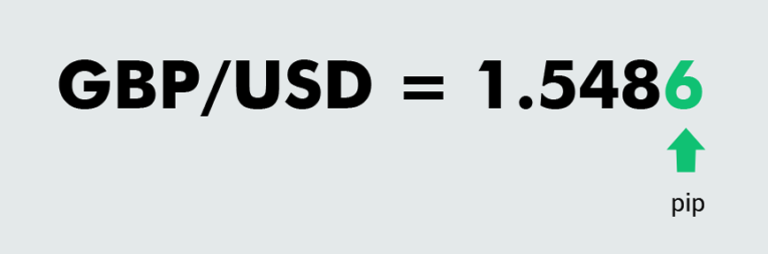
There is one exception, however. All currency pairs involving the Japanese yen are quoted to only two decimal places (0.01). So one pip in yen pairs is one unit of the second decimal point. This is because the yen is much closer in value to 1/100 of other major currencies.
Pips are used as a reference for gains or losses. The actual cash amount a pip represents depends on the pip value, which is different for different pairs. You don’t have to worry about calculating the pips yourself; the broker software does it automatically.
Pipettes
A pipette is a fraction of a pip; in fact, it is 1/10 of a pip.
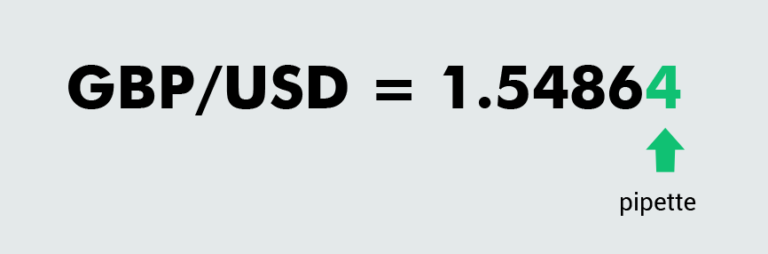
They appear as the 5th (3rd decimals for yen pairs) in a currency rate. Some brokers use pipettes in order to allow tighter spreads.
3. Spread
For traders, the spread is the cost of trading. You can think of spread as the commission for the broker or bank for their services.
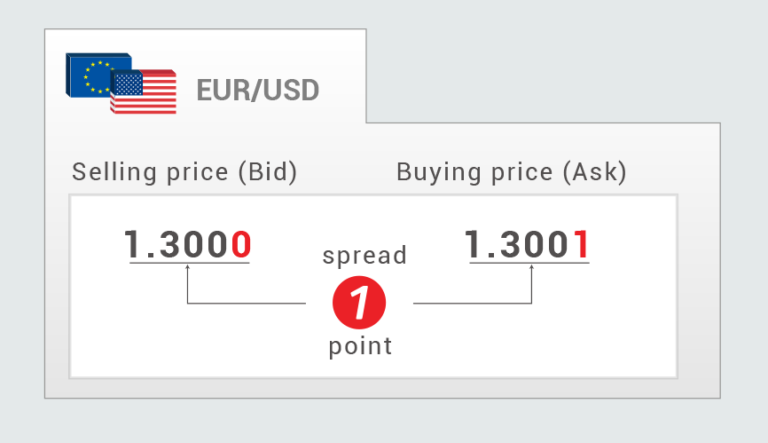
Let’s say that the official EUR/USD rate is 1.3000. If the broker-sold you the EUR/USD at the same price, he or she would not make any money. So brokers quote a slightly higher price, for example, 1.3001. The difference between the official rate and the broker quote is 1 pip. This difference is called the spread.
The higher the liquidity of a currency pair, the lower the spread.
4. Lots
If traders could open a trading position with just 50 cents or 1 dollar, the trading would not be worth anyone’s time as it would take years to gain significant profits.
Currency rates usually don’t have enormous swings that can generate 100% profits in minutes or hours, so trading becomes productive only when deposits reach a certain limit.
In order to not waste the traders’ time, currencies are traded in minimum packs called lots, just like beers are sold in six-packs.
The standard size of a lot is 100,000 units of the base currency. However, there are also smaller types of lots for people who don’t want to risk too much money:
• Mini lot = 10,000 units of base currency
• Micro lot = 1,000 units of base currency
• Nano lot = 100 units of the base currency
5. Leverage
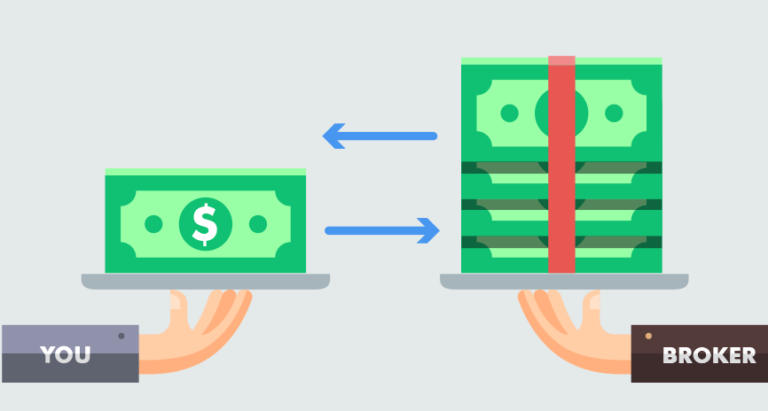
Leverage allows you to trade with more resources than you have, thus increasing the potential profits without the need to deposit super large sums. Basically, it is the level of risk that you can choose for each trade. Maximum leverage in the U.S. is 1:50, in Europe 1:200. Anything above 1:200 is considered too risky.
For example, if you’d want to trade a standard lot of a dollar pair without any leverage, you would need $100,000, which is quite a lot of money, right? But with leverage of 1:100, you’d need 100 times less money to open the same position: just $1,000.
The average daily currency rate changes are 1%-3% so if you opened a position without the use of leverage, it would take quite a long time to double your money. With the help of leverage, you can achieve the desired results up to 200 times faster.
As mentioned, using leverage is risky; therefore use it with caution.
Chapter 11

How Traders Analyze the Market
All right, we have gone through the boring but necessary basics of forex. Now is the time to step up the pace and start learning how to spot where the profits are hiding.
There are two main types of analysis that traders use to read the market and develop trading strategies:
1. Fundamental analysis – looks at economic, political and social factors.
2. Technical analysis – studies the charts to spot patterns.
Traders have been and are still debating which analysis is the best. In reality, you will need to understand both in order to become a forex guru. There are many traders focusing just on technical analysis, but you have to understand the following rule:
What you see on the charts didn’t appear there by chance. It is thereby a fundamental reason!
A balanced approach is to use fundamental analysis to determine the underlying trend in a currency rate and then use the technical analysis to pinpoint the exact entry and exit points for a trade.
Fundamental analysis

Fundamental analysis looks at the economic strength of countries, which is influenced by monetary, political, and social forces. The better the current and future economic outlook for a country, the more foreign businesses and investors will invest resources into it. By investing, they are creating demand for the country’s currency as they are converting their currency and buying local currency.
And here comes one of the most fundamental currency price rules: the higher the demand for a currency, the higher its value!
Do you remember Hans from the Introduction?
The one who lost 450,000 euros in one day because the Swiss franc skyrocketed by 30%? (The event, by the way, is also known as the Francogeddon.)
If Hans had known and considered this rule before taking the loan from a Swiss bank, he would not have suffered that loss!
This supply-demand rule may seem obvious, but the fun is not about the rule itself, but about the factors influencing it. So let’s break it down so you understand how it works and identify the elements that created Hans’s problematic situation:
Franc is prone to appreciate
Switzerland has long been the place that attracts rich people and their money. It is considered a safe haven due to the low inflation and its banks have a great reputation for being secure. All this contributes to high demand for the Swiss franc, so its value is constantly prone to increase. This is good if you keep your capital in francs for it is bound to grow in value. However, it is not good if you get a loan in francs and your income is in euro as in Hans’s case, especially in times when the euro value is expected to decrease. Even if Hans was not aware of the upcoming euro devaluation, he should have been skeptical about getting this loan due to the rising nature of the franc.
Millionaires from Russia
Because of the heated situation between Russia and Ukraine and the falling ruble, even more Russian millionaires poured their money into Swiss banks. This created greater upward pressure on the franc.
Money injections in EU
In order to boost the sluggish Eurozone’s economy, the European central bank was planning to inject huge amounts of money into the economy, which would significantly decrease the value of euro. A depreciating euro means that Hans’s hard-earned money will buy less Swiss francs so it will be more expensive to repay the loan.
The artificial ceiling
Before the Francogeddon, the Swiss franc was pegged to euro to protect Swiss exporters. In order to maintain the peg, the Swiss National Bank (SNB) artificially fixed the franc to euro by aggressively buying huge amounts of euro with francs. By reducing the supply of euro and increasing the supply of francs, it depreciated the franc against the euro.
The inevitable explosion
Due to #2 and #3 above, the SNB was not able to keep buying euro, especially knowing that the European central bank will pour a trillion euro into Eurozone economy. The SNB subsequently announced it would no longer hold the Swiss franc at a fixed exchange rate with the euro. The franc skyrocketed and Hans was in trouble.
The weird part is that Hans was aware of most of these factors; he just didn’t put them in context. He knew that Swiss banks are highly popular. He also knew about the crisis in Russia as it was all over the news. The warnings that the European central bank will try to devaluate the euro were also abound.
That is what you will learn with this application – to put things in context. After getting familiar with all of the sections, you will look at and hear about economic and political news with a brand new set of eyes and ears. You will start to see things that are invisible to others.
By just browsing through Bloomberg news, you will spot strategic patterns, dangers, and trading opportunities well before the masses do.
It is a magical feeling and you will love it!
Chapter 12 pt. 1
What Moves Currencies – Part 1
What Influences Exchange Rates
Before we look at the factors and players that influence the exchange rates, we must understand how these rates affect economies. First of all, exchange rates influence the trading relationship between countries, which is a major concern for the central banks.
Let’s look at the EUR/GBP currency pair. If the British pound increases in value against the euro, it makes the British exports more expensive for European buyers. For example, it will become more expensive for a car dealer from France to buy Mini Cooper cars from the UK as it will require more euros to buy the same amount of pounds. Consequently, UK exports would decrease.
A higher pound would also negatively affect British tourism, as almost everything would become relatively more expensive in Britain. The overall balance of trade will decrease if the currency value is higher.
On the other hand, if the value of the British pound would decrease, it would make the British exporters more competitive and the overall exports would increase.
Therefore, countries are constantly trying to sustain a healthy exchange rate in order to help their exporters. It is a very challenging task because a low currency rate can be good for exporters, but it usually not so good for businesses that import goods because those goods will become more expensive for them.
Central banks are in a constant struggle to achieve and maintain an exchange rate that would be good for all sides of their economy.
The golden rule of economic indicators
You must understand where the indicators are found and how to read them. All of the previous and upcoming reports about the economic indicators are available in economic calendars.
And here is the fun part:
The currency rates often start moving even before the actual data comes out!
Markets start moving from expectations and forecasts that are also available in the calendars. If the forecast promised a positive growth and the actual data comes out even better than forecasted, it amplifies the rise of the currency even more.
If the actual data comes out worse than expected, it creates a strong downward pressure on the currency. Here is the rule to remember with financial reports:
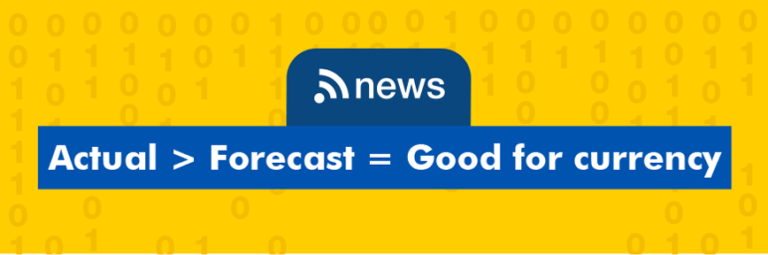
To illustrate this rule, let’s look at an economic calendar and compare the GDP growth indicators (month-to-month) of the U.S. and Canada and see how these indicators would influence the USD/CAD exchange rate.
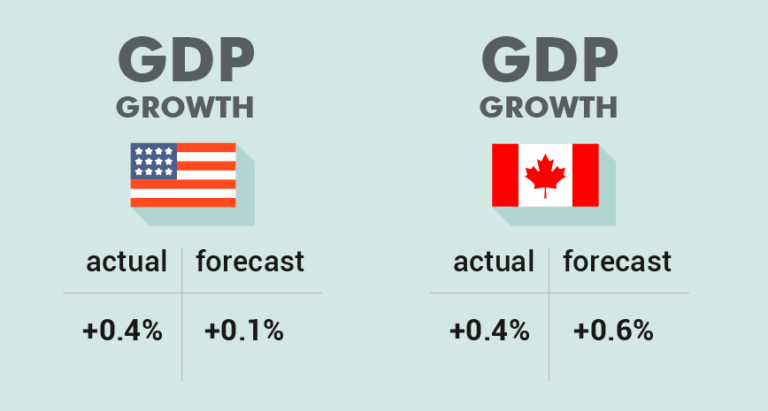
For the sake of example, let’s assume that all other indicators are the same. As you can see, both the U.S. and Canada have the same actual GDP growth rates of +0.4%, but that doesn’t mean that the USD/CAD currency rate will stay the same after the release of this data!
The winner in this case is the country that surpasses the forecasts — which is the U.S. Canada’s actual numbers were worse than expected so forex traders will take this as a bad sign for the Canadian economy and the CAD will decrease against the USD.
Chapter 12 pt. 2
What Moves Currencies – Part 2
9 key indicators that influence exchange rates
Here are the most important factors and economic indicators influencing the exchange rates:
1. Interest rates
2. Inflation
3. Deflation
4. GDP growth rate
5. Employment statistics
6. Trade balance reports
7. Political events
8 Military conflicts
9. Quantitative easing
You must remember that these factors are relative and should be compared between the two countries of a currency pair. For example, if Japan’s Gross Domestic Product (GDP) is skyrocketing, it doesn’t automatically mean that the Japanese yen will be more valuable than the U.S. dollar. Japan’s GDP growth must be higher than that of the US in order for this factor to drive the yen’s value up in the USD/JPY pair.
The great thing about forex is that all of this information is transparent and instantly available to everyone, not just for the insiders (as it often is with stocks). Furthermore, there are factors like interest rates and target inflation that are planned well in advance, and reported instantly through news outlets like Bloomberg, Reuters and economic calendars.
In forex, headline economic data really does move markets, and currency traders can take advantage of this fact.
1. Interest rates
Interest rates are one of the most important indicators for forex traders who use fundamental analysis. If money makes the world go round, interest rates make the money go round. For example, the higher interest rates are in the U.S. relative to other countries, the more attractive it is to deposit money in the U.S. The return from savings is better, and so the demand for U.S. dollar increases.
Therefore, a country with the highest interest rates attracts more foreign investments, and their currency rate drives up in the long term.
How do interest rates work? If the economy is in a downturn and companies are nervous about the future and are reducing investments, a central bank can lower the overnight rate that it charges smaller banks for borrowing money. This charge is called “interest rate”. If the central bank reduces the base interest rate, this will usually cause commercial banks to reduce their own interest rates as well. Lower interest rates make it cheaper to borrow. This tends to stimulate investment and spending, which then leads to economic growth.
In the illustration below, you can see the situations when the central banks either cut or raise the interest rates:
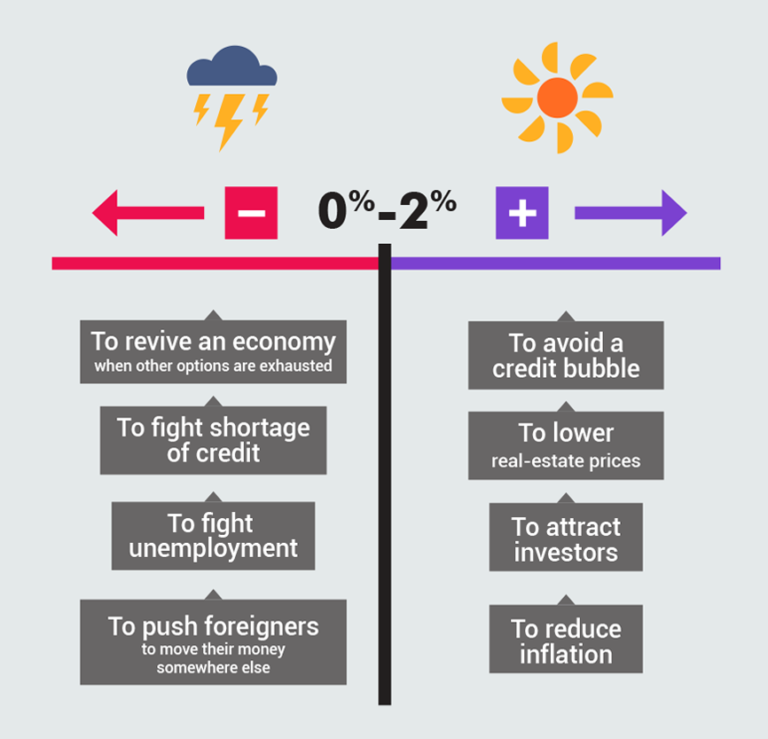
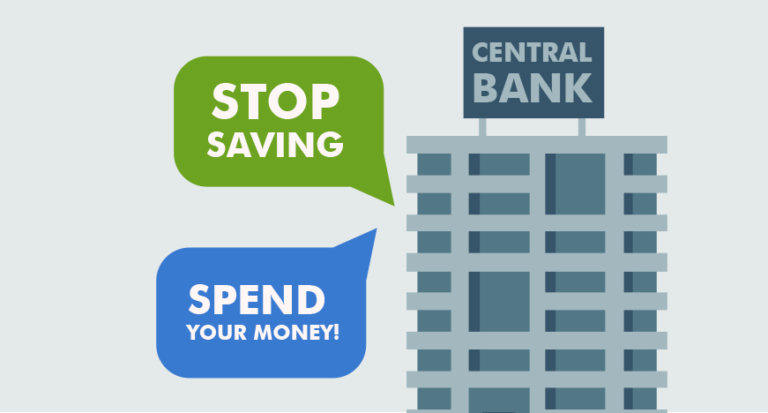
Cutting interest rates
What happens when interest rates are being cut?
Cheaper borrowing.
If loans are cheaper, businesses and consumers will spend more, thus “warming” the economy.
Reduced incentive to keep money in banks.
Lower interest rates mean smaller return from depositing money, so consumers and businesses will be motivated to spend the money rather than just save it.
Lower mortgage payments.
When banks have access to cheaper money, they will also lower the costs for mortgages.
Real estate prices rise.
When more people can afford to buy a house, the prices will go up due to the increased demand. This again will create more wealth and more wealth/ money in circulation is also good for a weak economy.
Decreasing the currency rate.
If, for example, Sweden cuts its interest rates, it will be relatively less attractive to save money in Sweden because you could get a better return on your deposits elsewhere. Therefore, there will be less demand for the Swedish krona resulting in a fall in its value.
Investors move their money elsewhere.
Investors are looking for the highest returns so they move their money to countries with rising interest rates.
The country’s exporters become more competitive.
Let’s take the Swiss watchmaker “Swatch”, for example. If the Swiss franc appreciates against the euro, a wholesale watch buyer from France would need more euros to pay for the Swatch watches, which are sold in Swiss francs. Therefore, the higher the value of the franc, the less competitive the local Swiss businesses become.
Going below zero
Would you want to be charged for lending your money to banks?
Absurd as it sounds, several of Europe’s central banks have cut their rates below zero in 2015.
• Denmark -0.75
• Sweden -0.25
• Switzerland -0.75
The European Central Bank (ECB) announced in June 2014 that it would impose a negative interest rate on deposits in an effort to encourage banks to use those funds for lending. As a result, global banks also began charging large clients for their euro deposits in order to offset the fees they are paying for keeping their money in the European Central Bank.
There are two reasons why most of those large clients accept this negative return.
First, keeping big money in small banks is risky.
Secondly, moving that money across borders and exchanging it to other currencies can be hard, as not all of them are great in foreign exchange.
Also, holding cash stuffed in mattresses or old shoes is risky.
Greek savers learned this the hard way during the Greek crisis in 2014. Worried that their banks might go bankrupt, they withdrew their savings, and immediately, home robberies skyrocketed across the country.
Economists argued that negative interest rates would not happen, but they did. Setting negative interest rates was the last major move before the ECB committed to quantitative easing in order to revive its economy. Negative interest rates are a sign of desperation, signaling that all other traditional means of boosting an economy have failed. Negative interest rates have never been used in an area as big as Europe.
Countries like Switzerland and Denmark cut their interest rates for slightly different reasons. Both countries had their currencies pegged to the euro so they pushed their rates into negative territory in order to protect the peg; otherwise, the Swiss franc and the Danish krone would appreciate against the euro, thus breaking the peg and causing chaos.
Chapter 12 pt. 3
What Moves Currencies – part 3
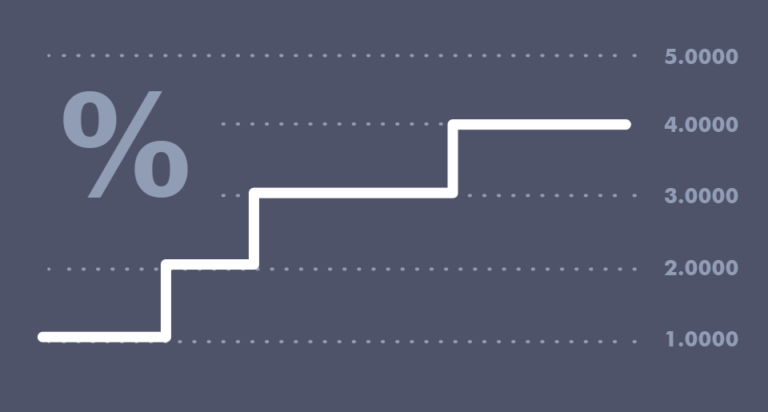
Raising interest rates
Raising interest rates, obviously, has the opposite effects of cutting them, so we will not go through all the same points.
When the markets are expecting an interest rate increase, the currency tends to appreciate it. That’s one of the reasons why the U.S. dollar was appreciating against other currencies at the beginning of 2015 when the Fed was considering raising interest rates.
The exception to this rule is when a country increases the interest rate to save a falling currency. For example, during the crisis between Russia and Ukraine, the Russian Central Bank raised its interest rate from an already high 10.5% to a staggering 17% in a desperate attempt to rescue the falling Ruble.
All of the money was being withdrawn from Russian banks and the government had to do something to stop it.
Who controls interest rates
The interest rates are controlled by the central banks. Here are 8 most influential Central Banks:
• U.S. Federal Reserve Bank (USD)
• European Central Bank (EUR)
• Bank of England (GBP)
• Bank of Japan (JPY)
• Swiss National Bank (CHF)
• Bank of Canada (CAD)
• Reserve Bank of Australia (AUD)
• Bank of New Zealand (NZD)
Interest rate timing
To maximize the profits, experienced traders do not wait for the announcement of an interest rate hike or cut. You need to be ahead of the curve and read the subtle signs that precede a change in short-term interest rates.
Keep in mind that when a country with a lower interest rate starts to increase rates, it may attract investors even though that country’s rate is still nominally lower than where the big investors‘ money currently is.
Smart investors will try to get in early on the side of the currency, which may have increasing rates in the future.
Chapter 12 pt. 4
What Moves Currencies – Part 4
Inflation
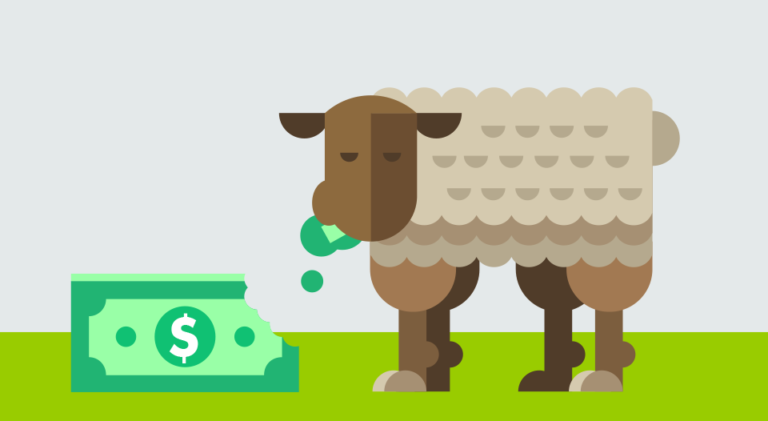
Inflation is sometimes called “the pulse of the economy”. Do you remember how much you paid for bread or milk when you were a child? Most probably less than now, right? If you keep your money in a sock, a year from now, your cash will buy you fewer goods today. This increase in the general level of prices is called inflation.
Inflation is measured as an annual percentage increase in prices for a defined set of goods and services.
What creates inflation
Inflation normally occurs if there is more money in the market than goods. These situations are quite normal in growing economies where people start earning and spending more but the production or import cannot keep up.
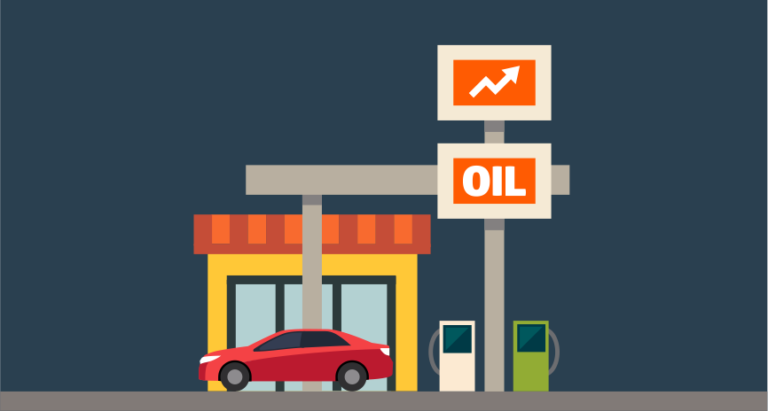
Another cause of inflation can be the increasing costs for businesses. For example, when the prices of oil and gas go up, it affects the end price of nearly every product and drives inflation up.
People generally fear rising prices, but inflation is not always bad. Its effects depend on your financial situation, state of the economy, and whether inflation is expected or comes suddenly as a surprise.
Advantages of inflation

Shorting a currency
If you are a forex trader who has gone short on EUR/USD (hoping that the euro will lose its value) and the Eurozone is hit by a big inflation, you will have a winning position (if the U.S. will not experience the same), as the value of dollar will rise against the euro.
Growing economy
Inflation is a sign that the economy is growing, so a rising inflation is what countries are looking for after an economic crisis. Inflation means that people have money and they are willing to spend it.
Borrowing money
If you have borrowed money before the inflation and the lender has not anticipated the inflation, then you basically can return less money.
MasterCard used this principle creatively to protect their profits in Venezuela. In 2015, the inflation of the Venezuelan bolivar was estimated to reach almost 200%. Therefore, MasterCard came up with an unusual hedge idea. It took out a loan in bolivars and used that cash to buy property, whose value is typically set in U.S. dollars in Venezuela. So when the bolivar is devaluated, the property also devalued, thus they have to pay back less for the loan. This is the reverse of what Erik (our hero from the Introduction) did.
Growing wages
If the inflation is rising but your boss increases your wage at the same or higher rate, then there is no problem for you.
Disadvantages of inflation

Here are the cons of unexpected inflation:
Going long on a currency
If you are a forex trader who has gone long on EUR/USD (hoping that the euro will rise in value) and the Eurozone is hit by big inflation, you will end up in a losing position (if the U.S. will not experience the same).
Uncertainty
Uncertainty about whether inflation will increase further or not forces consumers and businesses to spend less, thus hurting the local economy.
Lending money
If you have lent your money before the inflation, you will lose as the money will have less buying power after the inflation.
Fixed income
People with fixed income suffer as their purchasing power decreases.
Chapter 12 pt. 5
What Moves Currencies – Part 5
Deflation
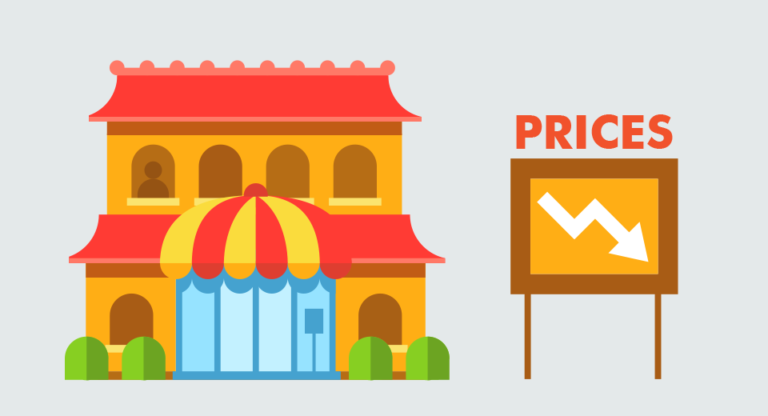
Deflation is the opposite of inflation. It means that the general level of prices is decreasing. Falling prices sound awesome, right? Not if they last for a long time!
A single month of deflation is not bad.
But if deflation is prolonged, it comes with a strange deflationary psychology: consumers and companies stop spending money as they hope that the items they want to buy will soon become even cheaper.
This creates a chain reaction that often leads to stagnation or regression. A painful example was Greece in 2014/15:
1. As the crisis and austerity measures continued, the demand weakened.
2. Businesses were forced to cut prices.
3. Consumers stopped spending as they anticipated prices to fall even more.
4. Businesses had no income and had to lay off workers.
5. With increasing unemployment, the situation worsened.
6. As the spending didn’t resume, many businesses went bankrupt.
7. As the spending didn’t resume, many businesses went bankrupt.
8. The Greek government debt continued to grow as tax revenues shrunk.
Chapter 12 pt. 6

What Moves Currencies – Part 6
GDP growth rate
The Gross Domestic Product (GDP) is one of the most crucial indicators to determine the health of a nation’s economy.
The GDP represents the value of all finished products and services produced by a country, usually on an annual basis.
The forex market usually looks at the percentage change in GDP on a quarter-to-quarter basis.
If the annual increase in GDP is at 3.0% – 3.5%, it indicates a healthy economy.
If the rate is higher, it can be a signal that excessive inflation is forming.
A smaller rate and a declining rate in general signals an economic downturn with decreasing demand from consumers and rising unemployment.
If the GDP growth is negative for 6 months, it is considered a sign of a recession.
For example, if the European GDP rate is released and the number is higher than forecasted, this would generally drive the value of the euro higher. Conversely, if the number comes out lower than forecasted, it will most often affect the euro rate negatively.
Chapter 12 pt. 7
What Moves Currencies – Part 7
Employment statistics
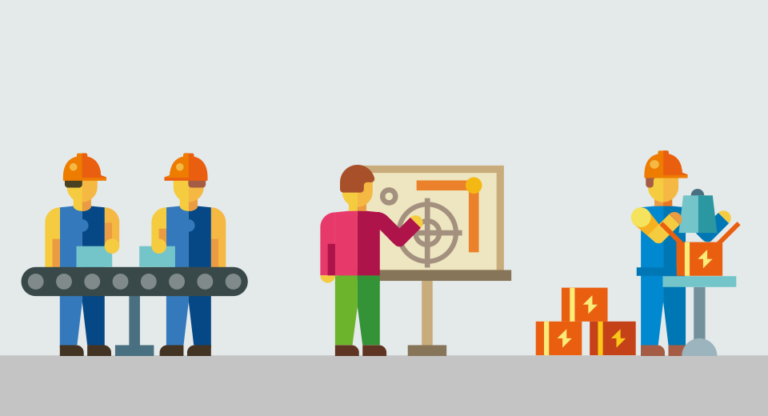
The employment statistics are usually reported as “unemployment rate”.
It measures the total workforce of a nation that was unemployed during the previous month. The unemployment rate can have a sharp effect on currency rates, especially if the results differ substantially from the numbers the analysts were expecting.
If the actual unemployment rate is lower than forecasted, it is good for the currency, and vice versa.
6. Trade balance
The trade balance is the difference between the exported and imported goods and services during the reported period.
When exports exceed imports, it is called a trade surplus, which is a good sign for the currency.
Trade surplus means that other countries are buying products and creating demand for the local currency.
When the imports exceed exports, it is called a trade deficit and that is bad for the local currency.
A trade deficit means that there is a big demand for foreign goods, which are purchased with foreign currency, thus strengthening that foreign currency and weakening the local one.
Chapter 12 pt. 8
What Moves Currencies – Part 8
Political events
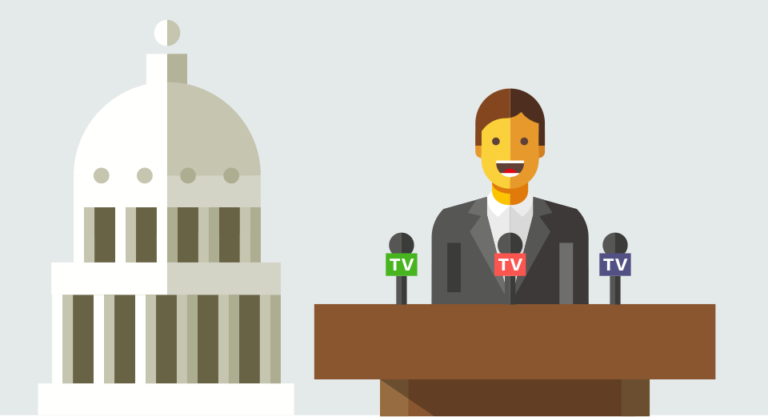
Political events can have dramatic effects on the currency rates. The most significant political events are elections, referendums, and different scandals.
If a country has an unstable political environment, the value of its currency will tend to decrease as investors and forex traders try to avoid uncertainty.
Elections
Elections usually create uncertainty about the future of a country. When the leaders of a country change, it often comes with a different approach to fiscal (taxes and government spending) and monetary (interest rates, bank reserve settings) policy, both of which have a direct impact on currency rates.
In the case of upcoming elections, forex traders keep an eye on the pre-election polls to get an idea of the possible scenarios. If the upcoming leader is seen as economically responsible, then the currency rate will appreciate, as traders will go long on the currency.
On the other hand, if the polls show majority support for a person who is seen as a threat to the economy, the currency value will decrease as traders and investors will sell out the currency.
Referendums
Lately, referendums have become quite popular, creating opportunities for currency traders to profit from them. Here are some examples of referendums with global impact:
• Will Scotland be independent of the United Kingdom?
• Should Greece accept the bailout from Europe?
• Should the United Kingdom leave the Eurozone?
When the preparation for the referendum about Scotland’s independence started, it decreased the value of the pound. The pre-referendum polls showed close results; therefore, investors started selling their pound assets fearing that the United Kingdom’s economy would suffer if Scotland separated. This was a good opportunity for forex traders to go long on EUR/GBP as the euro rose against the pound till the very day of the referendum.
Scandals
When a corruption scandal erupts at the government level, it can impact the economy of the country either by sparking protests, work stoppages, or even unexpected elections. Even if there is a chance that the protests may result in improvements to the political and economical situation, the mere instability of such events negatively impacts the currency rate of the country.
Military conflicts
What would happen to the Russian ruble if Russia suddenly sent its army into Ukraine? The value of the Russian ruble would fall against all other major currencies. This is logical, right? But the little trick here is that you don’t even need an army to cross a foreign border or shoot bullets to cause such effect.
Just the threat of a potential military conflict tends to influence the currencies of the involved nations.
This happens because investors hate instability, so they will pull out their resources from these markets as quickly as they can. By withdrawing their assets and converting the rubles to other currencies, they are weakening the ruble and strengthening the other currency.
The most popular currencies Russian investors were hurrying to buy as the Russia/Ukraine conflict began were the U.S. dollar and Swiss franc as these are considered to be safe currencies.
The smart investors who caught the start of this military conflict went short on RUB/USD and made a 30% profit in record time.
Chapter 12 pt. 9
What Moves Currencies – Part 9
Quantitative Easing
Quantitative easing (QE) might sound like rocket science, but in essence, it works similarly to an interest rate cut used by central banks to revitalize the economy during and after serious recessions.
When the crisis of 2008 – 2009 started, many central banks slashed their overnight interest rates to help the economies recover. Many of them had to cut the rates close and below to zero, but even that failed to revive the economic activity. So central banks started to experiment with different mechanisms to pump money into the markets. One of the tools was quantitative easing
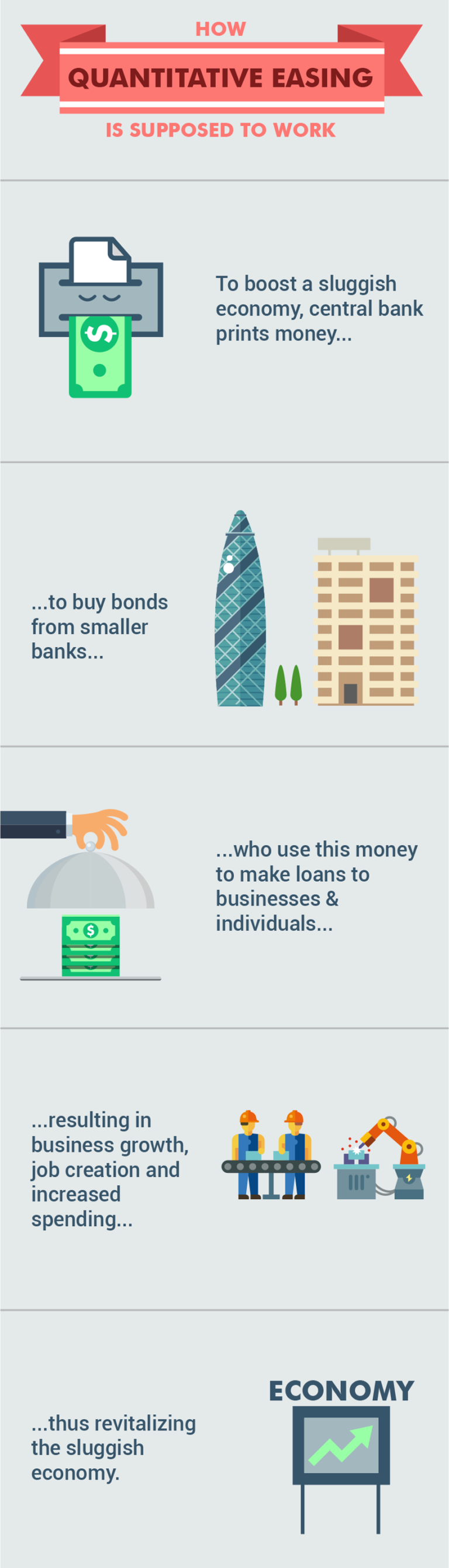
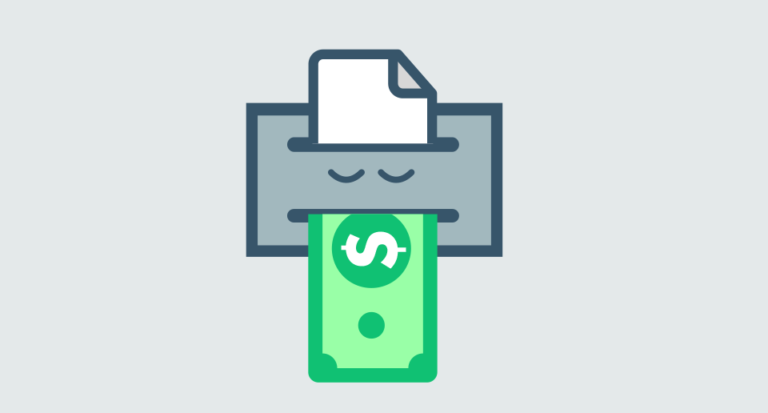
When a central bank performs QE, it is essentially printing money (nowadays, it is mostly digital) to purchase huge quantities of bonds from smaller banks. As a result, the banks have piles of extra money; hence, “quantitative” easing. Banks obviously use this money to make new loans and buy stocks, which is expected to result in economic recovery.
If QE is convincing and people feel that the central bank is serious about reversing the high deflation, then it can kick-start the economy by simply raising confidence that recovery is coming.
How much money is involved in a QE?
On January 21, 2015, the European Central Bank announced a QE program during which it would purchase 50 billion euros of bonds per month, for a total of 1.1 trillion euros!
This announcement sent the euro to an 11-year low against the U.S. dollar. Many forex traders who shorted EUR/USD before the announcement made nice profits.
slashed their overnight interest rates to help the economies recover. Many of them had to cut the rates close and below to zero, but even that failed to revive the economic activity. So central banks started to experiment with different mechanisms to pump money into the markets. One of the tools was quantitative easing
Chapter 12 pt. 10

What Moves Currencies – Part 10
How to use economic indicators?
There are, of course, more factors and indicators that affect a currency’s price. The ones we discussed are the major ones and understanding them will make it pretty easy to understand all the others, as the principles are the same.
Here are some tips on how to use fundamental analysis in the currency exchange market:
Use an economic calendar
Keep an eye on the economic calendar with the indicators and their release dates. Remember that markets often move in anticipation of indicators, even before the data is revealed.
Check the key indicators
Stay informed about the most relevant indicators at a given time. For example, if the pound is weak, inflation and unemployment rate are the most-watched indicators. If the U.S. economy is growing, then everybody will be waiting for any clues about an interest rate hike from the Fed.
Analyze forecasts
Pay attention to the forecasts and expectations for the upcoming data. And then observe if those forecasts are met. That’s even more important than the data itself.
Chapter 13

5 Tips to Finding a Good Broker
Finding a good broker will increase your chances of success. Here are the main questions you need to consider when looking for the most suitable broker for you:
- 1. Is the broker regulated?
- 2. Does the broker have a good trading platform?
- 3. What are the spreads and commissions?
- 4. What type of accounts and leverage does the broker offer?
- 5. How good is the customer support?
Regulation
Regulation means that a government institution oversees and monitors the broker’s activity. Regulated brokers offer more security for their clients.
There are shady brokers out there with pictures of mystical, barely readable badges of random awards like “Best Forex Trader 2016”, etc. in their homepages. Do not pay attention to those!
Here are some of the most popular regulators and directives you should look for in your broker:
CFTC – U.S. Commodity Futures Trading Commission
CySec – Cyprus Securities and Exchange Commission
MiFID – Markets in Financial Instruments Directive of Europe
NFA – National Futures Association of the U.S.
FCA – Financial Conduct Authority of the UK
Other official regulators in a particular country where the broker is registered, like Australian Securities and Investments Commission (ASIC) in Australia, Swiss Financial Market Supervisory Authority (SFMSA) in Switzerland, etc.
Trading platform
The trading platform is the trader’s portal to the forex and/or stock markets. You must find a platform that is easy to use, aesthetically pleasing, and has a good variety of tools for analysis.
One little trick you can do to see if the platform is user-friendly is to check how easy it is to enter and exit trades. A well-designed user interface will have clear “buy” and “sell” buttons and those actions will be performed without any delays.
You can open a test or demo account with most of the brokers to check their platform.
Spreads and commissions
A couple of decades ago, you needed tens of thousands of dollars to open a forex trading account and pay high commissions to brokers.
Nowadays with the evolution of technologies, the costs have decreased and trading has become available for a much wider audience. Of course, there still are costs that traders have to pay to brokers for the platforms and services.
There are basically two types of brokers:
A. Spread based
Brokers that make money from spreads (the difference between the bid and ask price of the forex pair). For example, the average spread on EUR/USD is 2-3 pips. These brokers usually offer the lowest minimum deposits, starting at $50.
B. Commission based
Brokers that make money from commissions per trade based on the trade size. For example, a broker might charge $0.08 for a 1k lot, $0.80 for a 10k lot, and $80 for a 1,000k lot. These brokers normally have minimum deposits of $2,000 to $10,000.
How much is that in dollars?
For example, opening and closing trade of $200 with a leverage of 1:50 would cost the trader:
Scenario A, spread of 3 pips = $3
Scenario B, commission = $1.42
The commissions and spreads vary from broker to broker, so costs will vary as well.
There can also be additional fees for holding an open position over the weekend (for example, $2 per 10k lot) or overnight rollover fees for holding an open position during the night (for example, $0.23 per night).
Account types and leverage
Most beginners usually don’t want to deposit $100,000. Therefore, most brokers offer standard, mini and micro accounts to suit different budgets. Some brokers have minimum deposits of $50; others have $2,000 and even $10,000. Make sure that your broker offers an account type that matches how much you are willing to trade with.
Maximum leverages also vary from trader to trader and can range from 1:10 to 1:200. In the U.S. for example, the maximum leverage allowed is 1:50.
If the broker offers a leverage of 1:500, then be cautious and verify its reliability.
Customer service
There are two main things you should be looking for in good customer service: direct online chat with professional support and even more importantly, fast withdrawals of funds.
During your demo or real trading, feel free to chat with the support and ask them different questions including how much time it usually takes to withdraw funds, if needed.
So there you go. You can smile knowing that we officially reached the end of the school!
Busiest session
The busiest session of all is the London (Europe) session. 30% of all trades happen during this session.
Session Overlapping
The best hours for trading are during the overlapping of the major sessions. The most important one: London/New York.
The most active days
The most active time of the week is from Tuesday to Thursday
Best times of day for trading
The most active trading sessions are in London and New York, so the highest market liquidity is when these sessions overlap, as both continents are online and actively trading with each other.
Experienced traders consider 14:00 GMT to be the best time as London is preparing to close and traders are getting ready to move to New York’s market.
This creates big fluctuations in the currency prices, opening more notable opportunities for making gains.
Keep in mind that during the last minutes of London’s session, the currency swings can become quite chaotic and thus, harder to predict.The opening of London’s session is also very active and lucrative as it overlaps with the end of Tokyo’s session.
The third major overlap happens between the Sydney and Tokyo sessions. Still, this time is less liquid than the London/NY sessions as it is late evening or night in the rest of the world.
Best days of the week for trading
Now you know when you should be watching or reading the daily news from around the world and when to analyze the charts, what about the best days of the week? Are all days equally good for trading? While there can be breaking news that disrupt the average weekly flow, there is a pattern that works most of the time when there are no force majeure events.
As shown in the picture above, businesses are coming back from the weekend so the week starts out at a slow pace; but it doesn’t mean you can’t trade on Mondays.
The most active days are in the middle of the week, usually on Tuesdays and Thursdays.
Fridays are usually active only during the first half of the day; the last hours that day can sometimes be chaotic so it’s best to avoid trading then.
Just remember that you don’t have to trade all of the sessions. It is neither sustainable nor productive in the long run. Instead, you should choose.